The Rise of Social Commerce Behaviours in 2026 & The New Era of Content Creators as Sales Advisers
TikTok continues to drive micro-trends that rapidly influence purchase behaviour

There is a powerful shift in the interests of our audiences across socials, specifically Instagram and TikTok. We are seeing this in conversations in community management and through viral creator videos, who share how they feel about buying in this new social era . People use TikTok Shop like they do Amazon, with micro-macro creators now the trusted source of ‘sales advisors’, acting as ‘authentic brand ambassadors’ who can successfully convince their niche communities to trust their word and recommendations.
Why are brands spending so much budget on how they market their products through social, UGC (user generated content), partnerships and selling on TikTok Shop - furthermore, contemplating Pinterest and affiliate programmes for their audiences to follow/ sign up to?
It’s quite simple, in an overly saturated market of online influencers and celebrity endorsements that used to be seen as exclusive and trustworthy, are now seen in an inauthentic light. Why should we trust these people when we have been exposed to their cuts of the deal and the fact they are willing to put their names and faces to competitor brands (if the price is right)?
It’s why authority in the social space is now owned by real creators with relatable interests to their audiences, smart brand ads that beat through the noise with ‘no photoshop’, ‘REAL ingredient lists’ and honest chats behind their brands products.
There is also the ease of the new social commerce shopping experience. Creators who share their advertised product can link viewers directly to the product - in the click of fewer than 5 buttons, the product is in their cart waiting for payment and dispatch.
As consumers trust and confidence in brands is increasingly being placed in these micro content creators and through ‘authentic’ ambassadors, social advertising is more powerful than ever. Exploding Topics reports that nearly three-quarters of consumers have bought something based on influencer recommendations, and TikTok Shop searches have surged 153% in two years.
TikTok continues to drive micro-trends that rapidly influence purchase behaviour, especially among Gen Z. In 2026, the buyer journey looks less like: Awareness → Consideration → Purchase…and more like: Scroll → Creator Demo → Comment Validation → Instant Checkout → Community Loyalty.
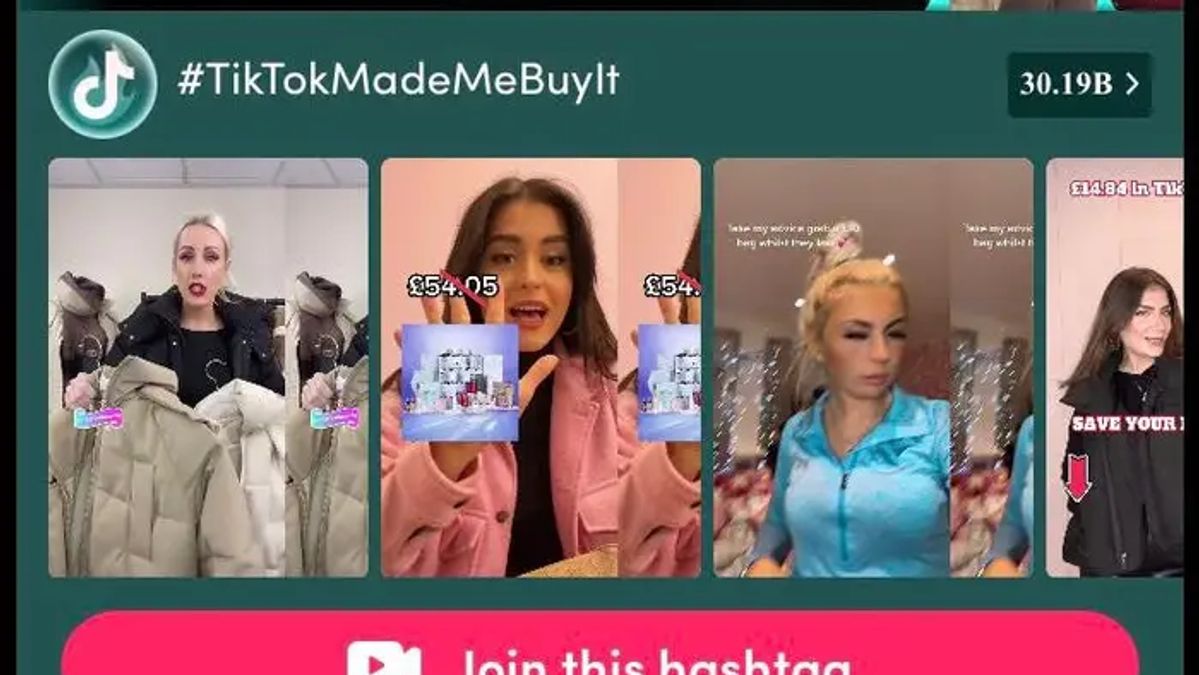
Brands are steadily shifting spend towards creator partnerships and affiliate-led commerce as platforms compress influence, content and transaction into a single system. TikTok Shop, Amazon storefronts, and affiliate programmes are no longer tactical experiments but core infrastructure, rewiring how discovery turns into demand.
This shift is also changing how brands think about community. Rather than building affinity solely around brand identity, many are organising around product categories and shared needs - spaces where creators don’t just endorse, but actively demonstrate, recommend and convert.
The Acceleration of Live Commerce
Live shopping is accelerating this. Livestreams allow brands to diversify social formats while collapsing entertainment and commerce into the same moment. On platforms like TikTok and Instagram, performance increasingly comes from participation rather than persuasion.
Kim Kardashian’s Kimsmas Live TikTok livestream for SKIMS last December captured this perfectly: a 45-minute, holiday-themed, fully shoppable TikTok livestream combining exclusive SKIMS deals, celebrity cameos and interactive moments. Produced with OBB Media, it was less a campaign, more a live event, designed to make buying feel like something you tune into for entertainment, not something you’re sold.
This is the direction of travel. Brands are building communities around product categories and rituals — skincare routines, home resets, fitness habits — rather than abstract brand identity. Creators don’t just drive awareness. They convert.

Pinterest and the Rise of Seamless Affiliation
Pinterest has quietly strengthened this behaviour by embedding affiliate links directly within organic-feeling imagery. Products are discoverable without the overt signal of paid advertising, creating a softer bridge between inspiration and purchase.
The effect is subtle but significant: content doesn’t feel interrupted by commerce. Commerce feels native to content.
AI Search and the New Precision Consumer
The growth of AI-powered search is adding another layer. Consumers are now able to input highly specific purchase criteria — for example: “Find a skincare product for oily to combination skin under £20 available in the UK.”
This requires brands on social media to target these key search words in their assets or copy for algorithms and search engines to optimise reach and their target demographic/ consumer profile.
Meta and the Pressure on Organic
Meta has recently changed its apps for consumer friendly use - allowing account users to choose whether they see ads (paid content) from brands in their algorithms, explore pages, and feed - mak it more difficult for brands to break through to new audiences and build their community further.
This raises the bar. Brand-heavy assets and overt sales language struggle to break through. Instead, niche relevance, cultural fluency and creator-led storytelling become essential. The feed has become selective. Audiences choose what enters it.
The Structural Shift
The rise of social commerce in 2026 is not a passing trend. It represents a structural shift in where authority sits. Consumers no longer look to brands to tell them what to buy; they look to trusted individuals embedded within communities. In response, platforms have compressed inspiration, validation and transaction into a single, continuous experience.
For brands, the implications are significant. Creator partnerships must be treated as revenue channels rather than awareness plays. Affiliate infrastructure is no longer experimental — it is core. Community is built around shared use and behaviour, not messaging alone. And increasingly, entertainment is what drives transaction.
The brands that succeed will treat creators not as distribution, but as decentralised sales teams: culturally fluent, commercially accountable and trusted at the moment of decision. The storefront is no longer a website. It’s the feed.